Administrative IT systems in education rarely inspire much enthusiasm. Students and teachers do not choose the software they use – it is simply part of daily life. And when something does not go as planned, whether it is a missing room, a scheduling conflict or simply a busy day, the software often gets part of the blame.
So what happens when you ask students, teachers and administrators what they really think?
During the first months of 2026, our colleague Marta conducted a series of surveys among ASIMUT users from client schools around the world, gathering insights into how the system is used and experienced in everyday life.
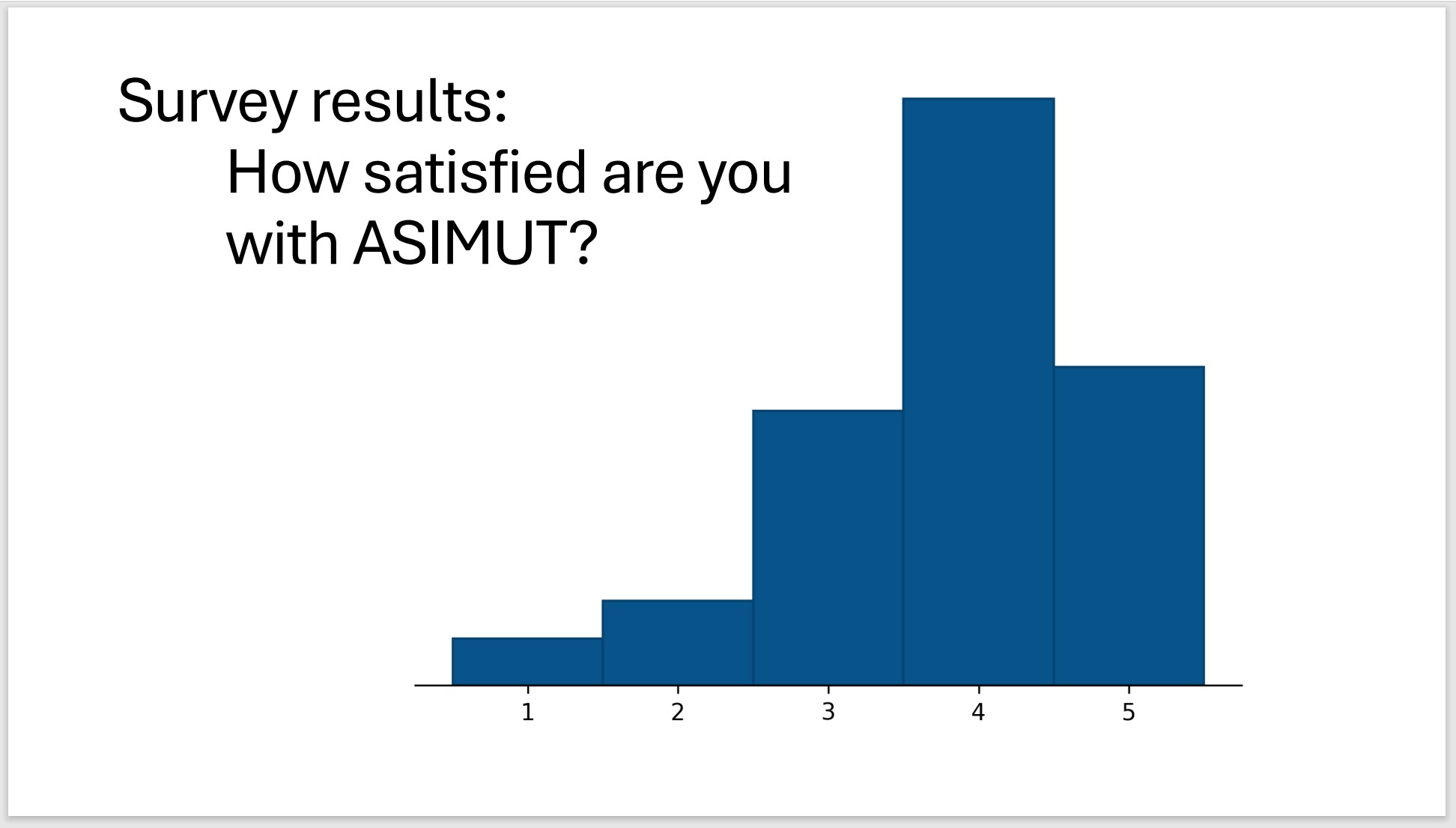
The response was substantial: 1,888 users from 41 schools took part, including 1,087 students, 686 teachers and 115 administrators. Around 70% gave ASIMUT 4 or 5 stars, and satisfaction was consistently high across all three user groups. Among administrators – the people responsible for managing some of the most complex scheduling and resource-planning challenges in their institutions – more than 80% awarded ASIMUT 4 or 5 stars.
We are incredibly grateful to everyone who contributed. The more we understand the needs, experiences and challenges of our user community, the better we can continue to develop ASIMUT.
What we found
Overall satisfaction was one of the most encouraging results. It was measured through a direct question about users’ experience with ASIMUT, making it one of the clearest indicators of whether we are succeeding in our mission.
Other findings also stood out:
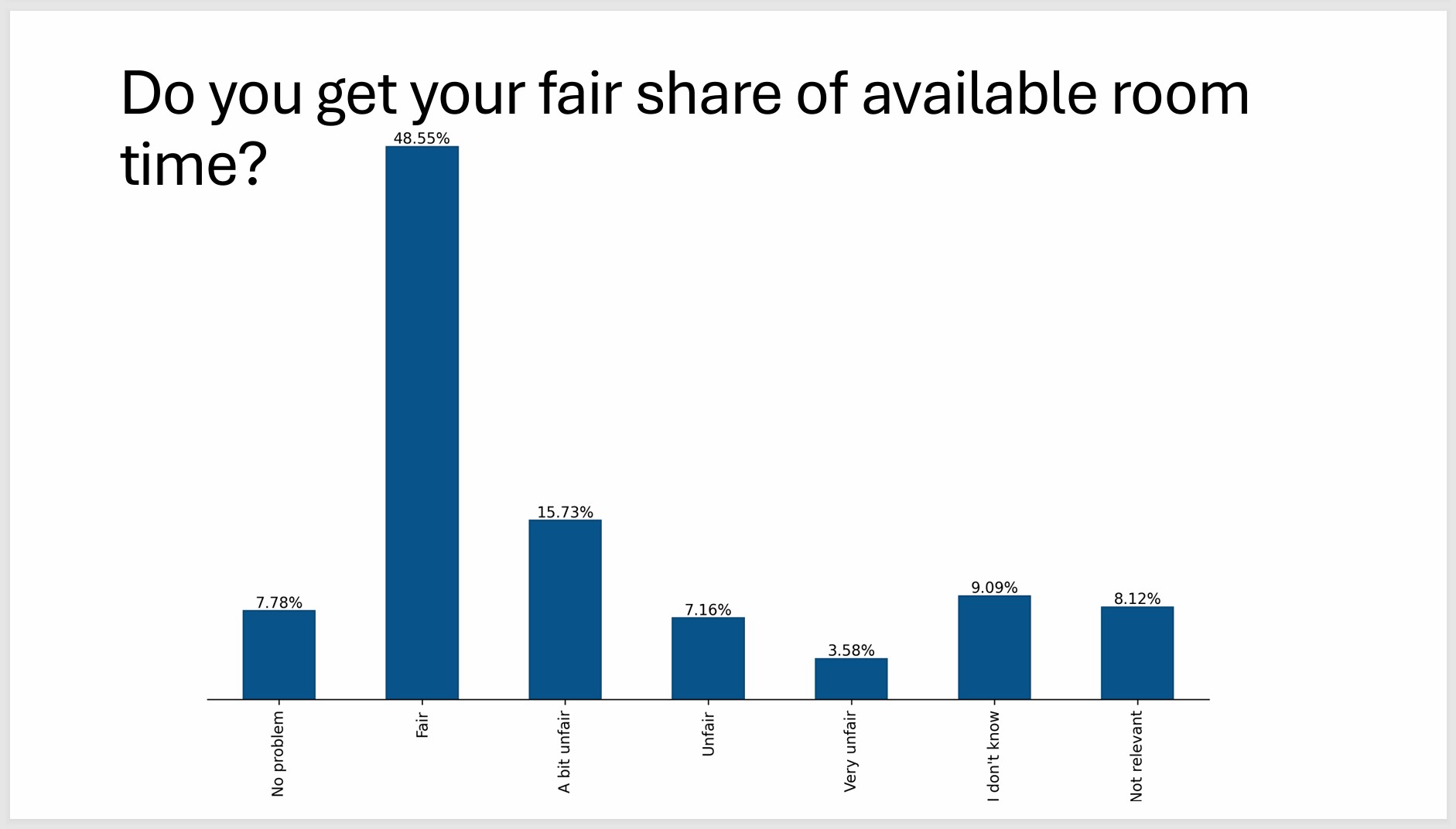
Room scheduling feels fair: A majority of users perceive the allocation of practice and teaching spaces to be fair. While software cannot create more rooms or more hours in the day, it is encouraging to see that many users feel the available resources are distributed fairly.
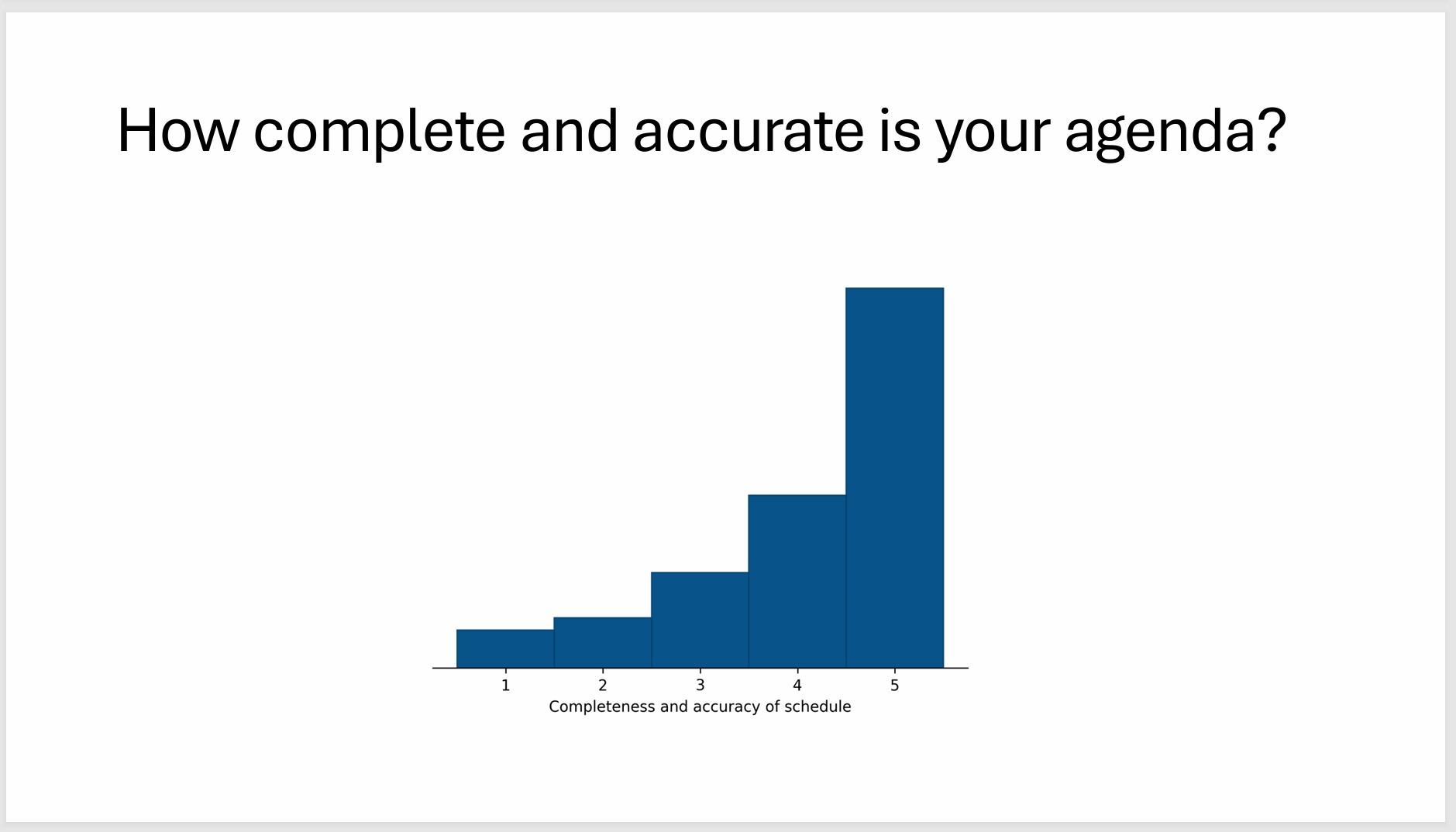
Agendas are complete and accurate: Most users reported that the information shown in their ASIMUT agenda is complete and accurate. In other words, when they open ASIMUT, they generally find the information they need to navigate their day.
While close dialogue with our user community remains one of our most important sources of insight, the surveys add a broader perspective, helping us identify trends, validate assumptions and better understand how ASIMUT is used across different institutions.
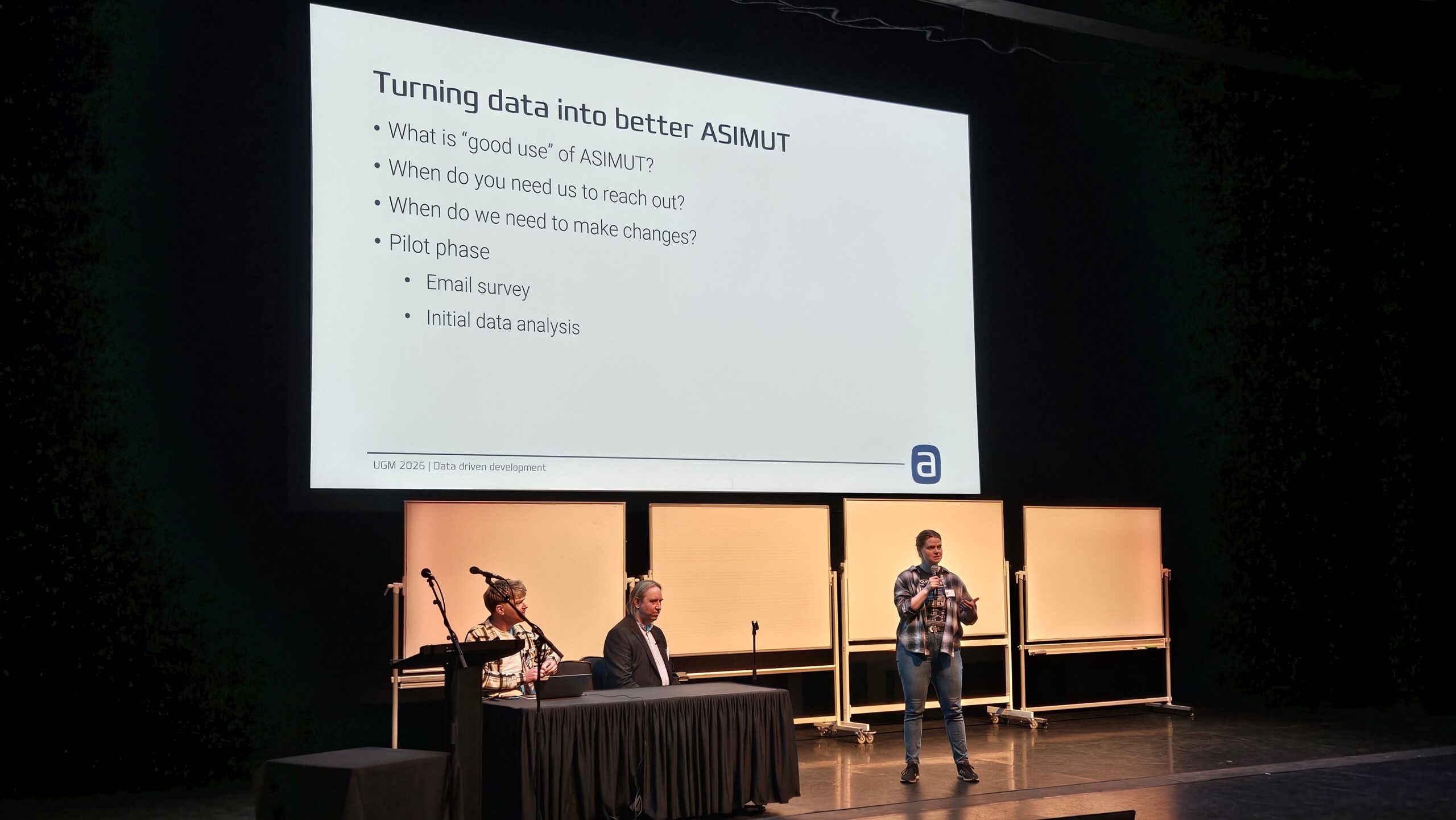
Turning data into better ASIMUT
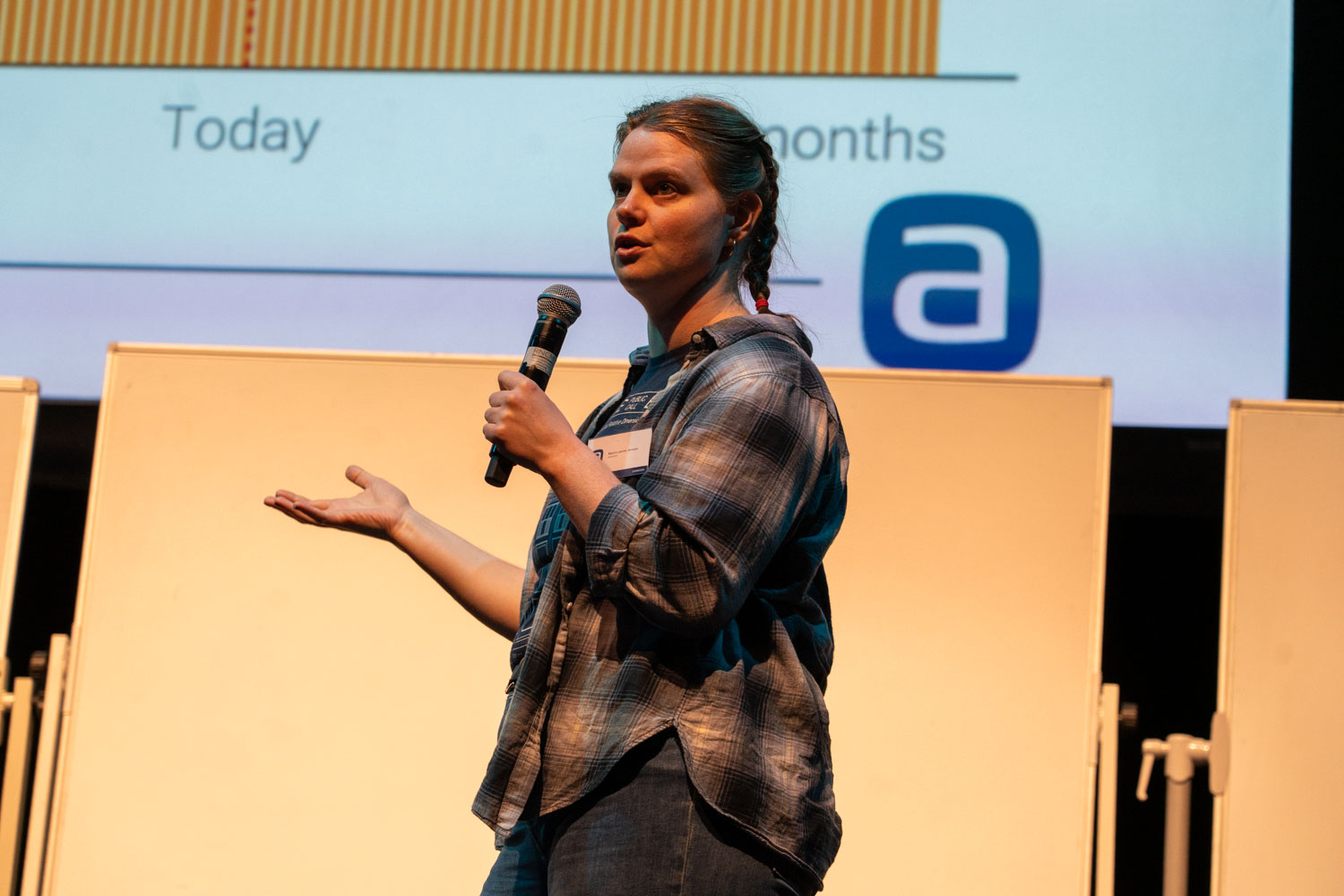
At this year’s User Group Meeting in Manchester, Marta presented the survey results under the title “Turning data into better ASIMUT”. Her presentation was very well received, and several community members who missed this round of surveys have already expressed interest in taking part in future survey rounds.
We are also delighted that Marta will continue to be part of the ASIMUT team. With a degree in Astrophysics, she brings valuable analytical skills to the team, helping us better understand the data behind the daily use of ASIMUT. We look forward to building on these insights as we continue developing the system.
The survey was conducted as a closed study. This means that while we gain valuable insights from the aggregate data, no individual school’s responses are exposed to others. It is a way of learning together while keeping everyone’s data safe. Participating schools will receive access to their own survey data, giving them the opportunity to explore the results in more detail and identify areas where they may be able to get even more value from ASIMUT.
A small thank-you in return
As a token of appreciation for everyone who participated, we promised to donate to charities chosen by the participants. We’re happy to report that nearly $5,000 has now been distributed – according to participants’ preferences – between four organisations: the Born This Way Foundation, Musicians Without Borders, WWF and Doctors Without Borders.
Once again, thank you to everyone who contributed to the surveys. We hope even more members of the ASIMUT community will take part next time, helping us continue to turn data into better ASIMUT.
#BuildingASIMUTtogether
Do you want to know more about the ASIMUT UGM? Check out https://asimut.com/community/