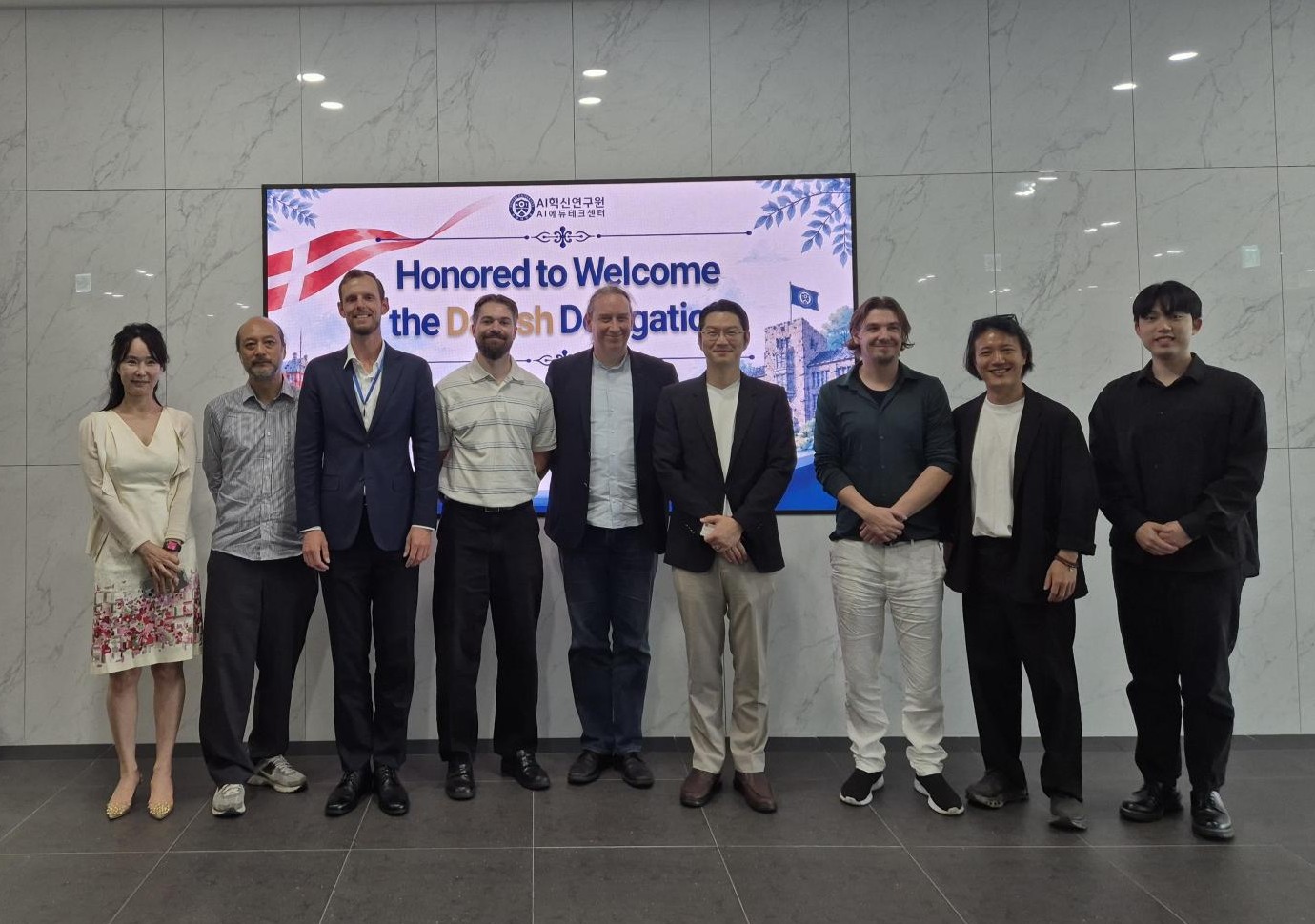
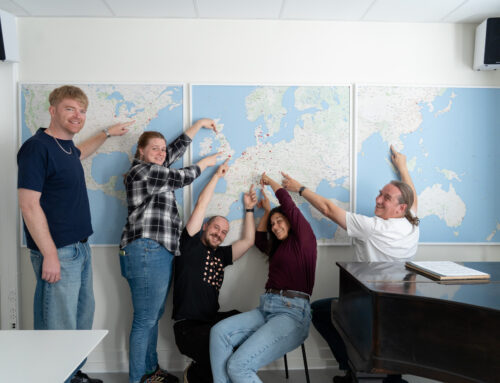
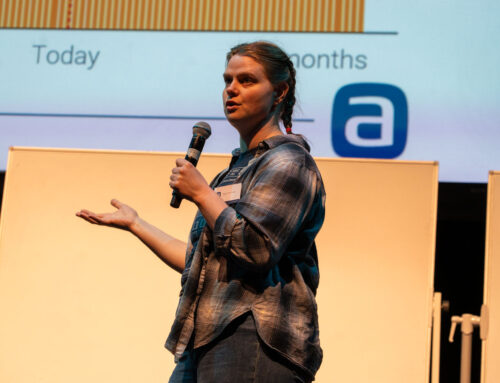
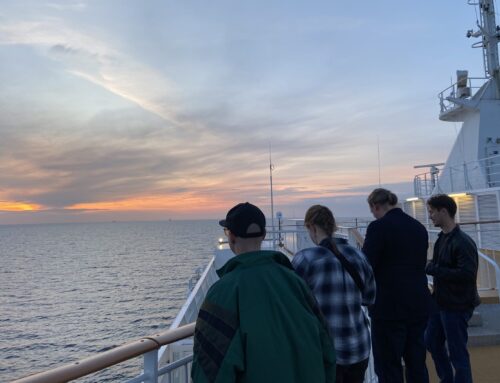
In September, ASIMUT was invited to join an official Danish Ministry of Foreign Affairs delegation to South Korea. Our founder, Mads Skovbjerg Paldam, represented us alongside fellow Danish edtech companies ChatTutor, Ewrything and GradeAid.
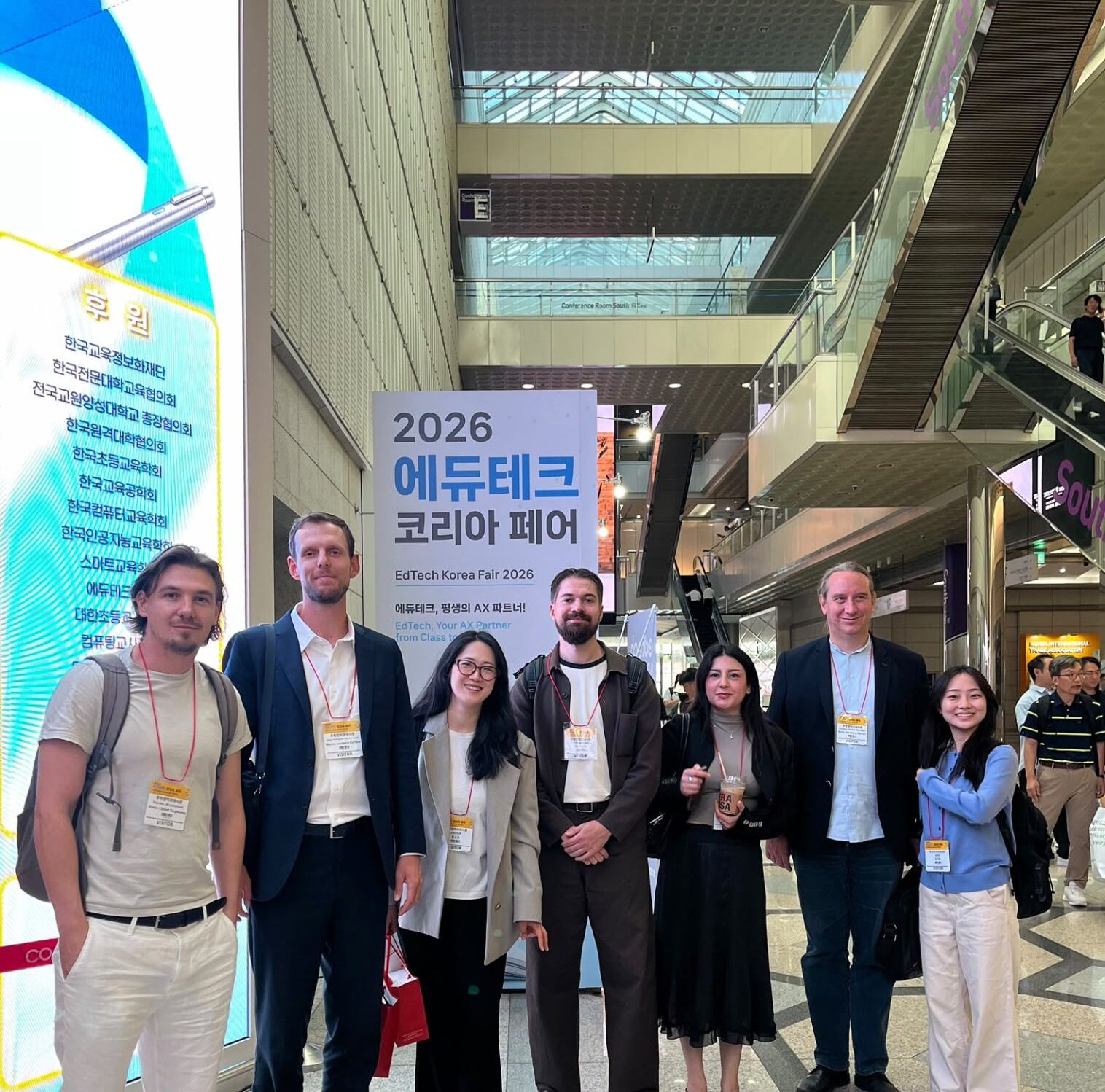
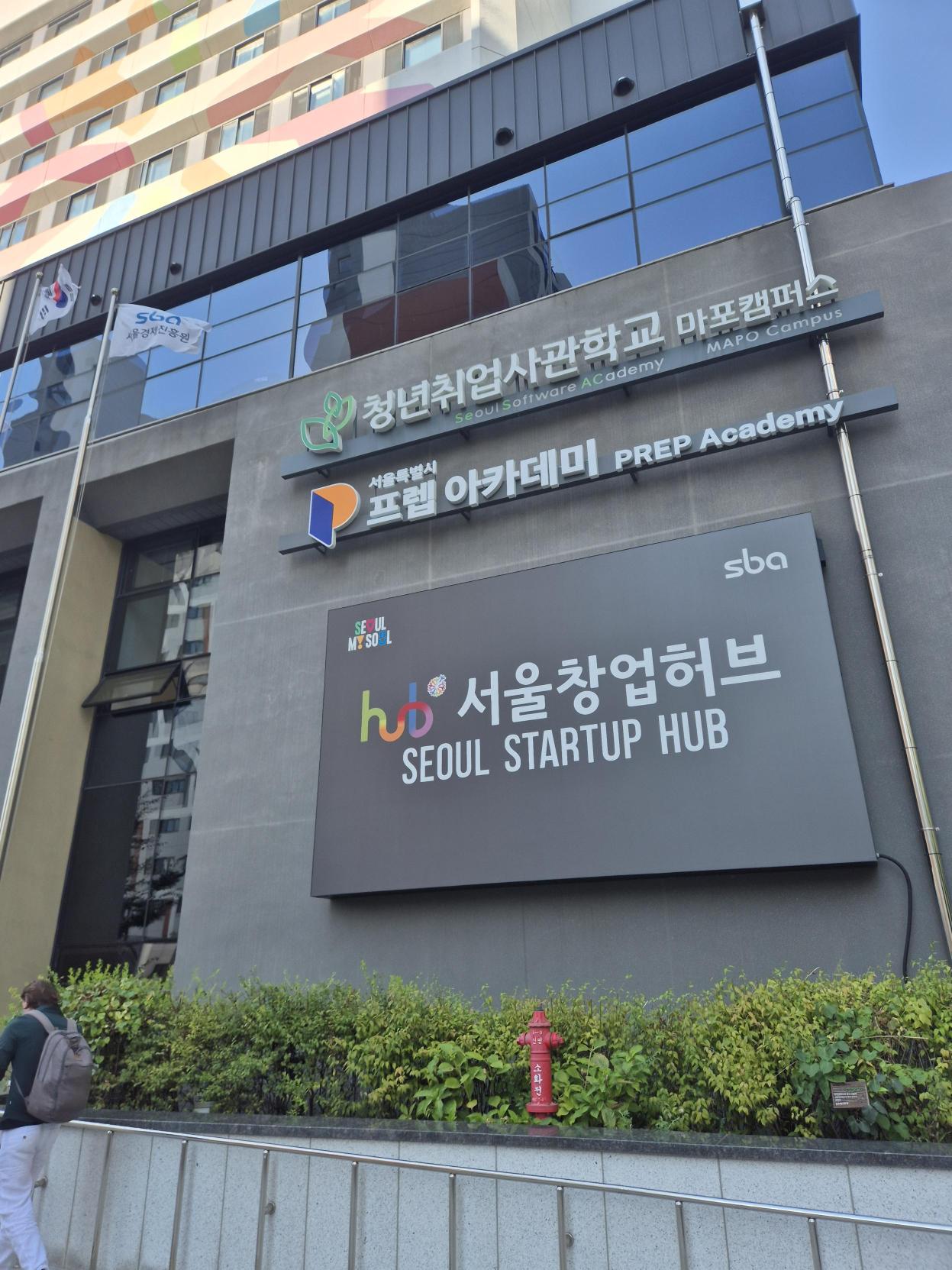
Innovation Centre Denmark Seoul and the Danish Embassy had put together a packed programme, including meetings with representatives of Yonsei University, Hallym University, Hongik University and Seoul Edutech Softlab, as well as a visit to EdTech Korea Fair. Our hosts generously shared their time, experience and perspectives, giving us plenty to bring home.
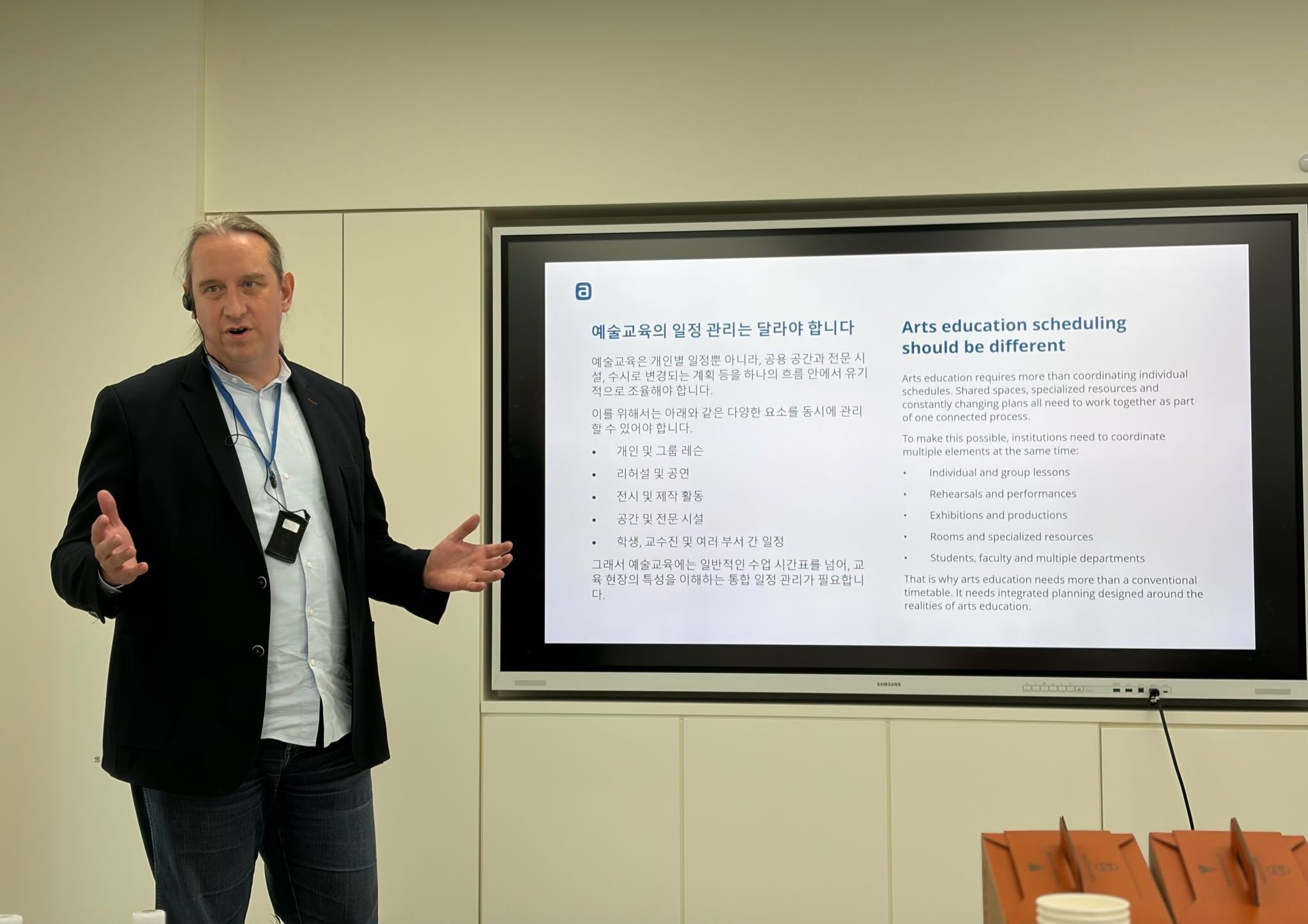
Digitalisation and artificial intelligence were high on the agenda throughout the visit, and the discussions about how technology can support education gave us much to reflect on. But alongside these new perspectives, we also encountered some very familiar questions: How do you coordinate complex schedules, give students fair access to specialist rooms and leave more time for teaching and artistic work? Institutions have different traditions and ways of working, but many of the practical challenges of higher arts education are remarkably similar across countries and cultures.
Conversations with Korean exchange students and guest professors had already highlighted a need for ASIMUT in Korea. The visit reinforced that impression: many of the challenges facing Korean higher education in music, drama and art are similar to those we help institutions in Singapore, Hong Kong, China, Thailand and elsewhere address. We are excited about the prospect of working with Korean institutions in the future!
We are currently working on adding Korean to ASIMUT’s interface languages. AI can make parts of the translation process considerably easier, but it does not replace the expertise of skilled native speakers. Their input remains essential to getting the terminology and nuances right, and ensuring that the language feels natural in the context of arts education. The Korean translation will also benefit exchange students and guest professors at our existing client institutions, allowing them to use ASIMUT in their own language.
A warm thank-you to the Ministry of Foreign Affairs, Innovation Centre Denmark Seoul and the Embassy of Denmark in Korea for an exceptionally well-organised visit and valuable introductions. We are equally grateful to the universities and organisations that welcomed us so openly, and to our fellow delegates for the conversations and good company throughout the week.