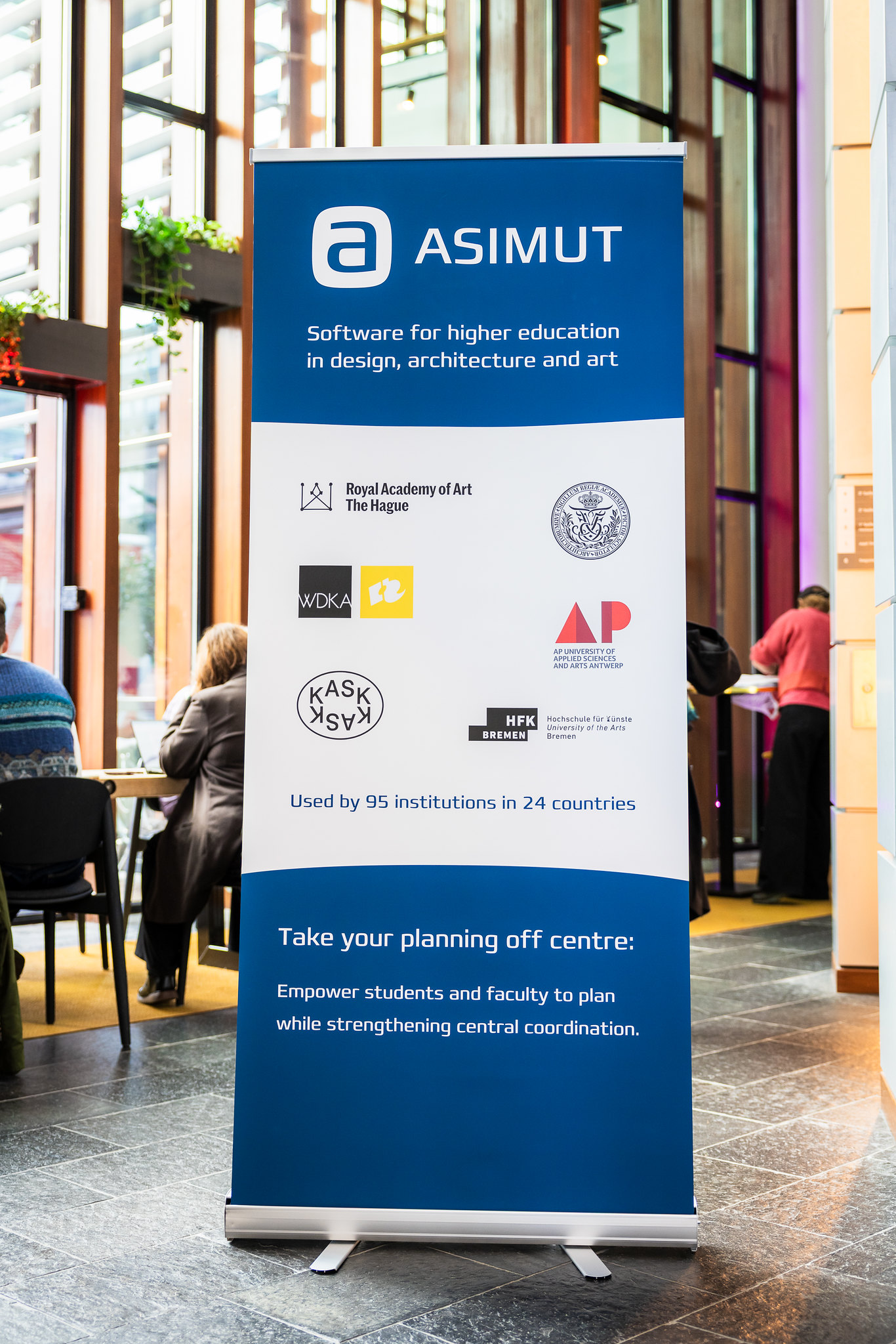
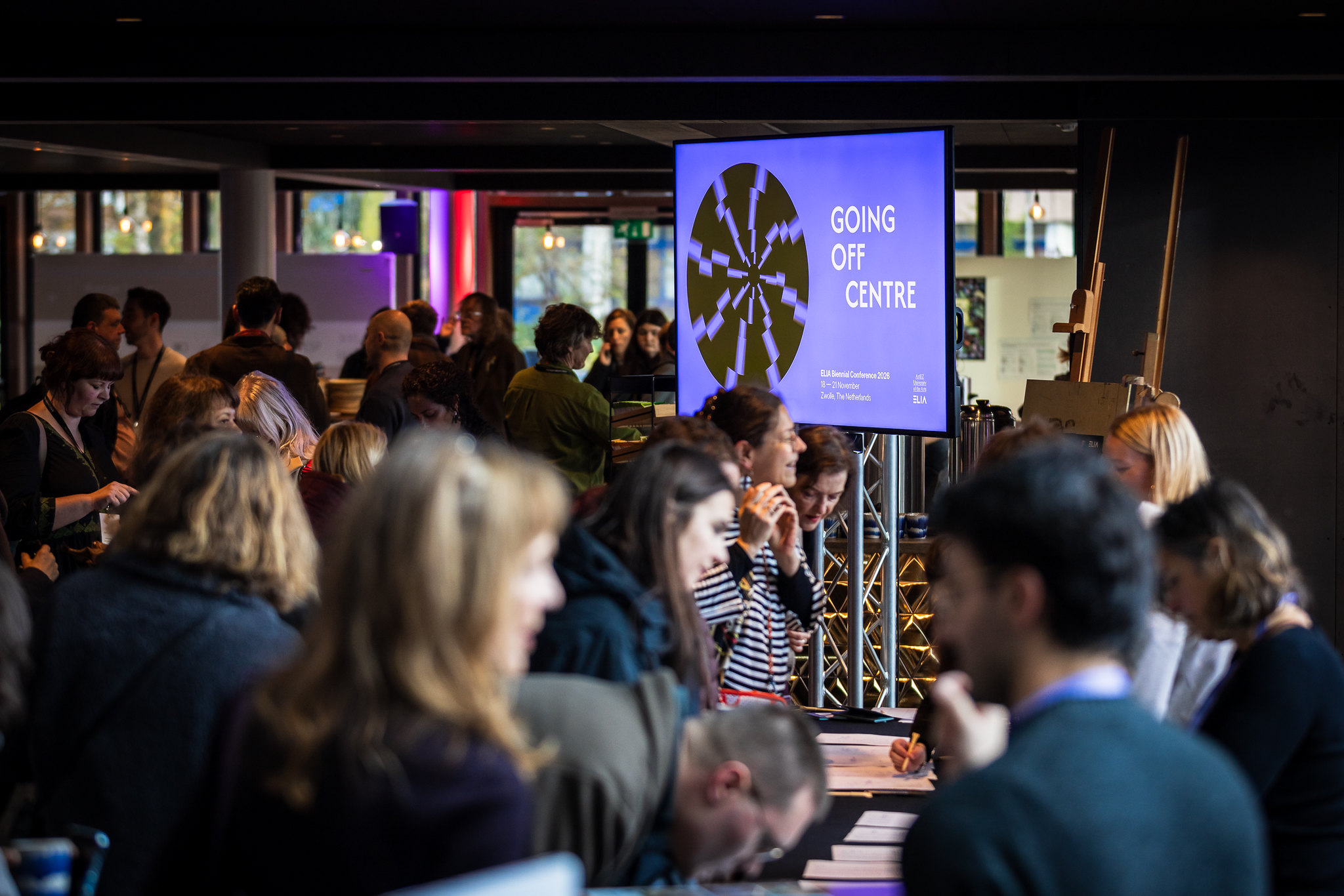
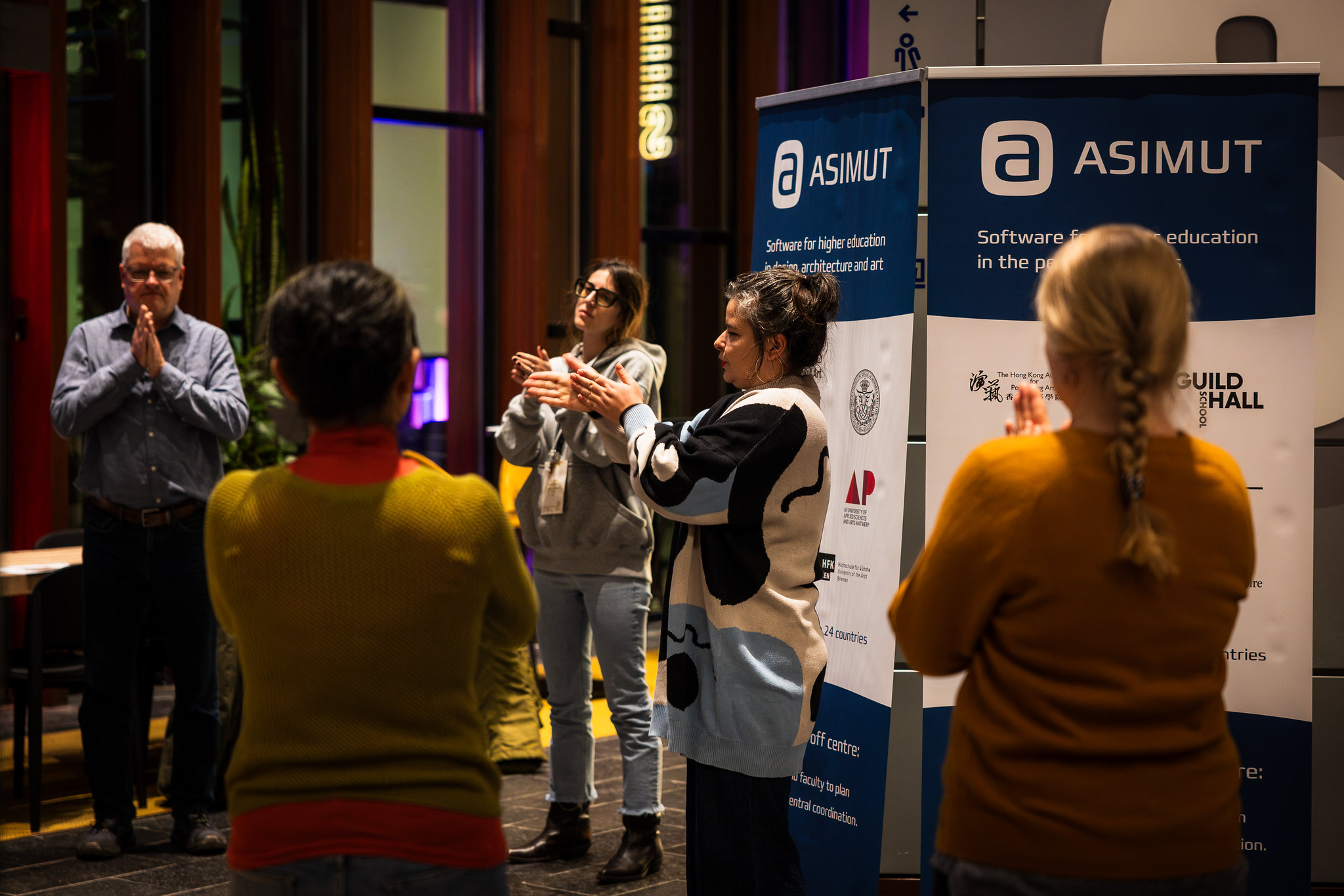
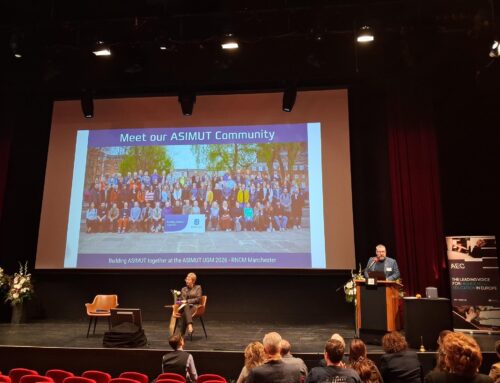
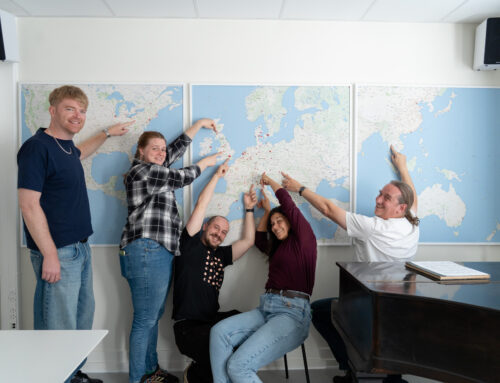
It has been a busy conference autumn for ASIMUT, and we were delighted to round it off at the 19th ELIA Biennial Conference in Zwolle, the Netherlands. Hosted by ArtEZ University of the Arts, the conference brought together people from across the world of higher arts education to explore this year’s theme: Going Off Centre.
For ASIMUT, it was a particularly welcome opportunity to meet colleagues from institutions spanning the full range of artistic disciplines, including design, architecture and visual arts. These are areas in which we already support a growing number of institutions, and we’re keen to understand their particular needs even better. As always, there was plenty to learn from the conversations along the way.
A little less central control?
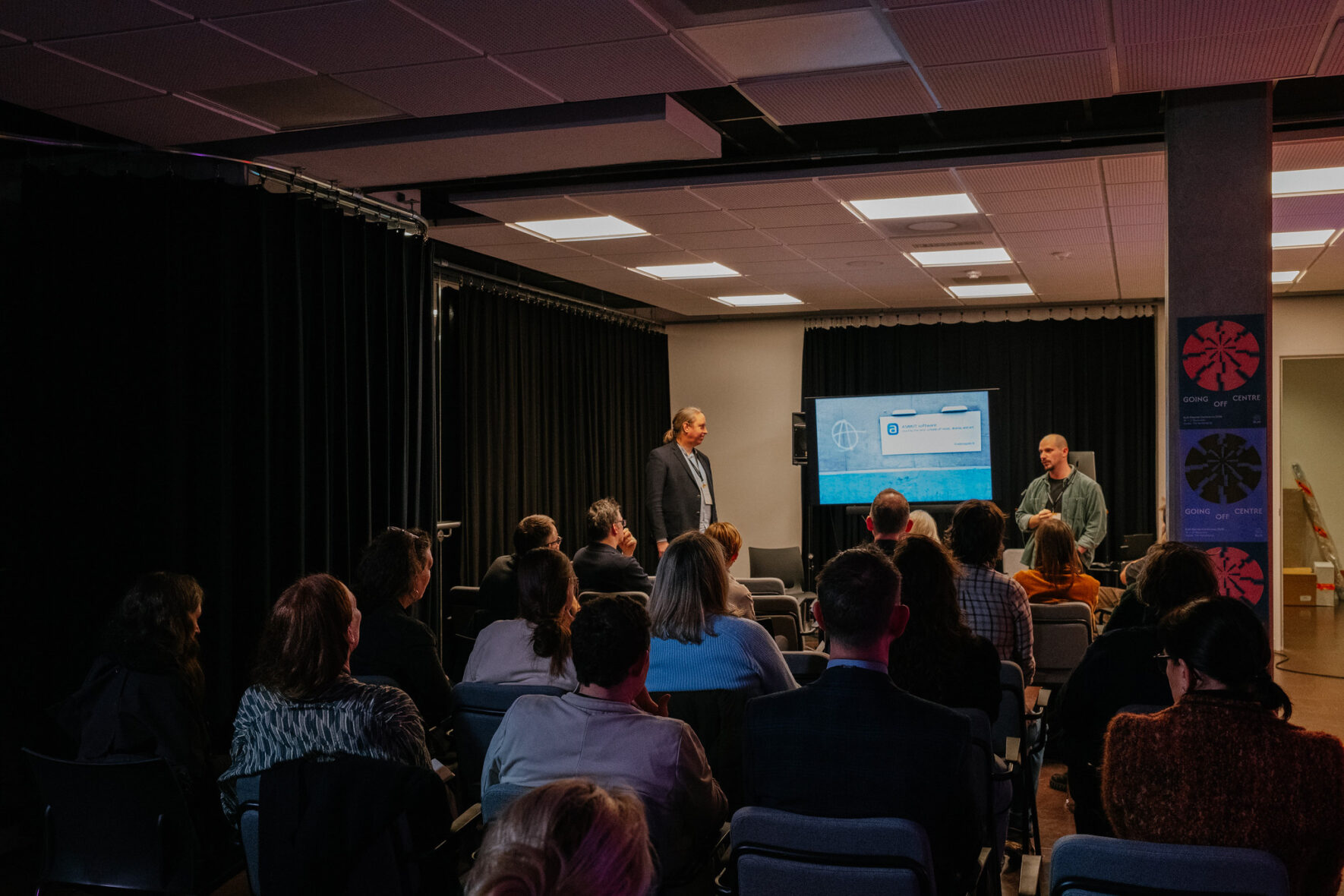
The conference theme also tied in nicely with some of our own ideas about scheduling. In their presentation, our colleagues Mads Skovbjerg Paldam and Guillaume Rabuel showed how ASIMUT can support a more decentralised and collaborative approach to planning.
Taking their cue from our recent blogpost On order and chaos, they explored the relationship between freedom and control, centralisation and decentralisation.
In many educational institutions, scheduling is still a highly centralised affair, with a relatively small number of people responsible for coordinating everyone else’s activities. But there are other ways of organising things. Mads and Guillaume demonstrated how ASIMUT can help institutions involve teachers and students more directly, for example by allowing students to schedule individual lessons themselves.
They also drew a parallel with Wikipedia: rather than relying on a central editorial team, Wikipedia builds on the collective knowledge of its contributors. Why not apply the same principle to scheduling? Much of the knowledge needed to make good scheduling decisions already exists throughout the institution, among the very people whose activities are being planned. The challenge is to enable them to contribute directly while keeping scheduling fair and making optimal use of the available resources.
The centre shouldn’t disappear, but not everything has to go through it. Some institutions prefer to keep scheduling centralised, while others give teachers and students more responsibility for certain activities. Helping institutions find their own balance between central coordination and decentralised, collaborative planning is one of ASIMUT’s core goals. What matters is having the flexibility to organise planning in a way that makes sense for the institution and the people involved.
—–
A big thank you to ELIA and our hosts at ArtEZ University of the Arts for bringing everyone together in Zwolle, and to everyone we had the pleasure of meeting along the way.
We enjoyed going off centre – and bringing a few ideas back with us.
—–
Official photos from ELIA by Maaike Ronhaar and Nienke de Groot